Enciris designs and manufactures professional video capture cards, 4K cameras, and edge AI platforms for embedded applications. Explore our four product families below.
Professional video capture solutions from SD to 4K for real-time acquisition, processing and compression.
SD/HD Capture & Hardware Compression
Capture and compress SD and HD video from legacy and professional video sources.
SD to Full HD
USB or PCIe
Hardware H.264 Encoding
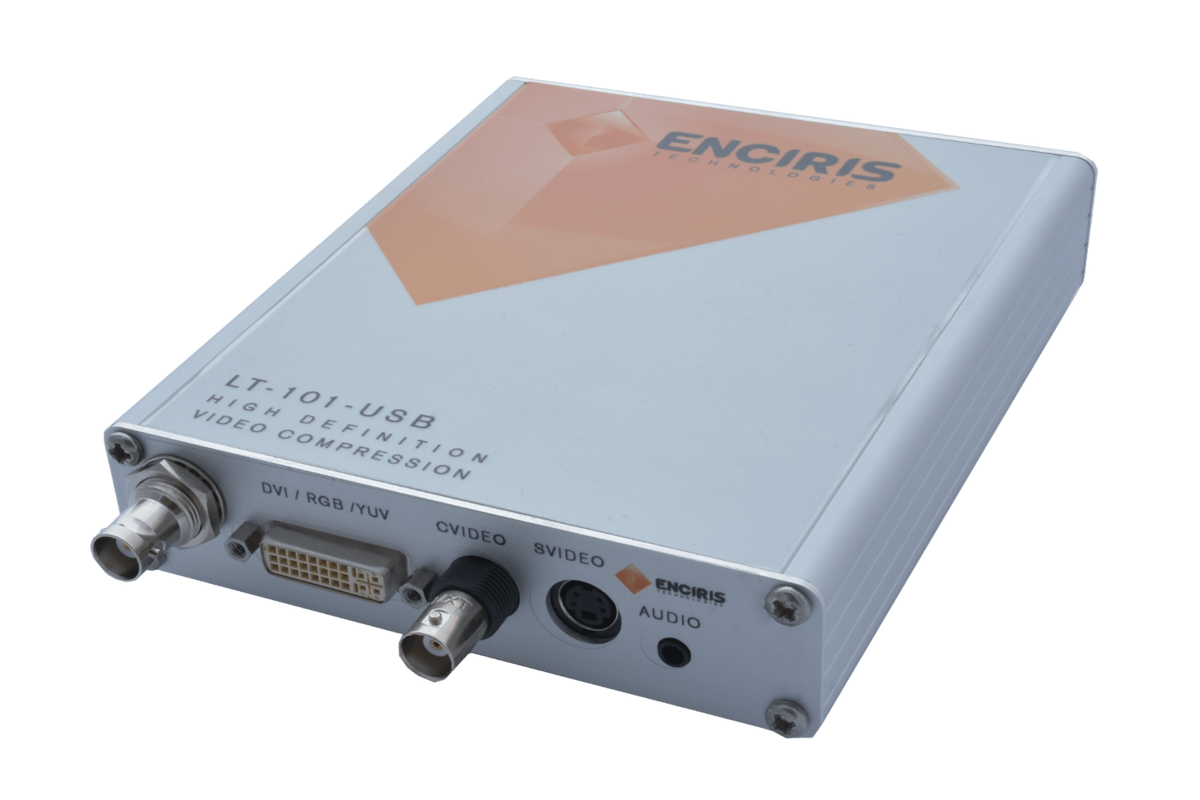
USB SD/HD capture and compression solution for SDI , DVI-I and legacy video formats.
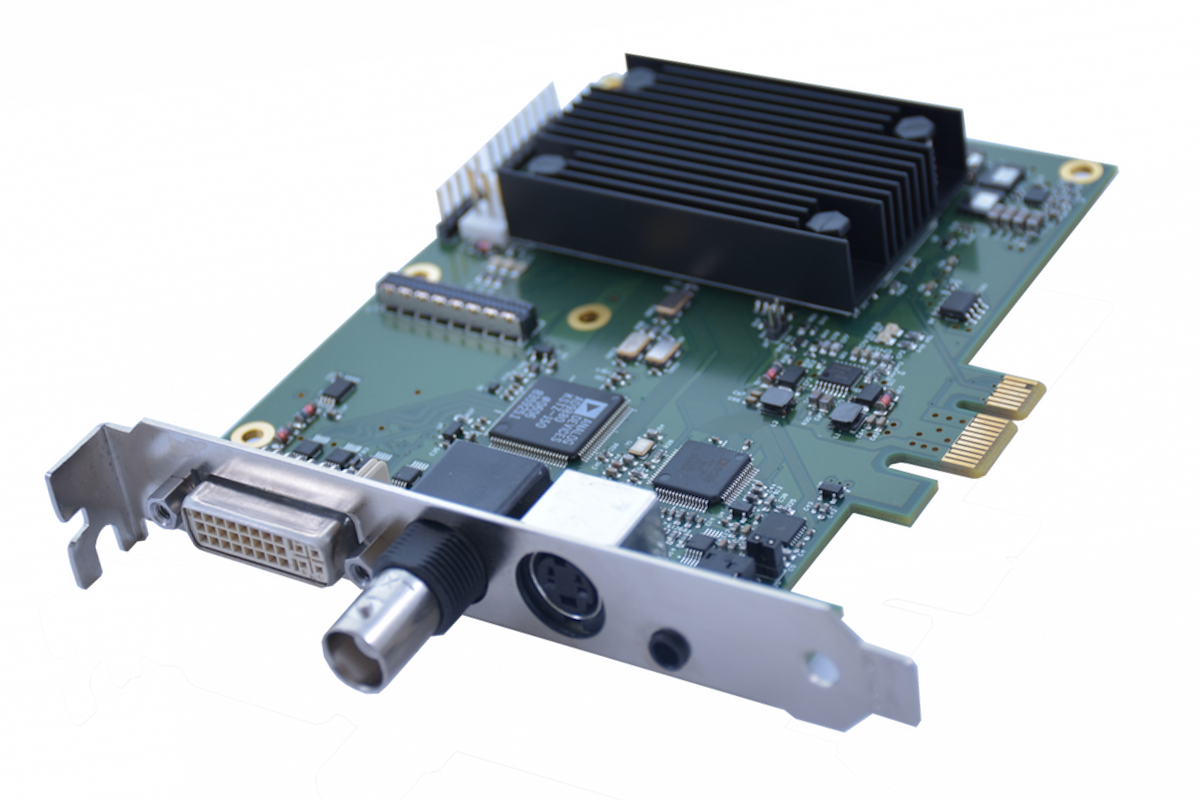
PCIe SD/HD capture and compression card supporting SDI, DVI-I and legacy video formats.
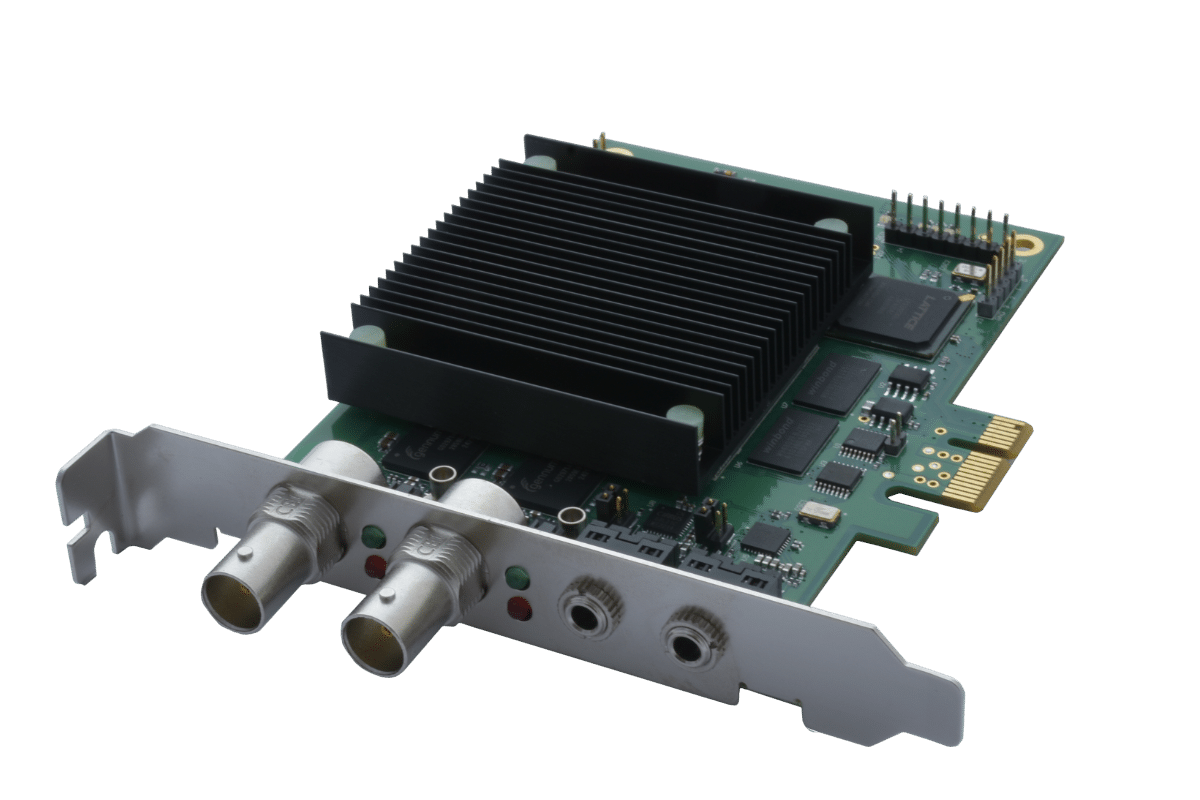
Dual-channel SDI capture and compression card for professional SD and HD workflows.
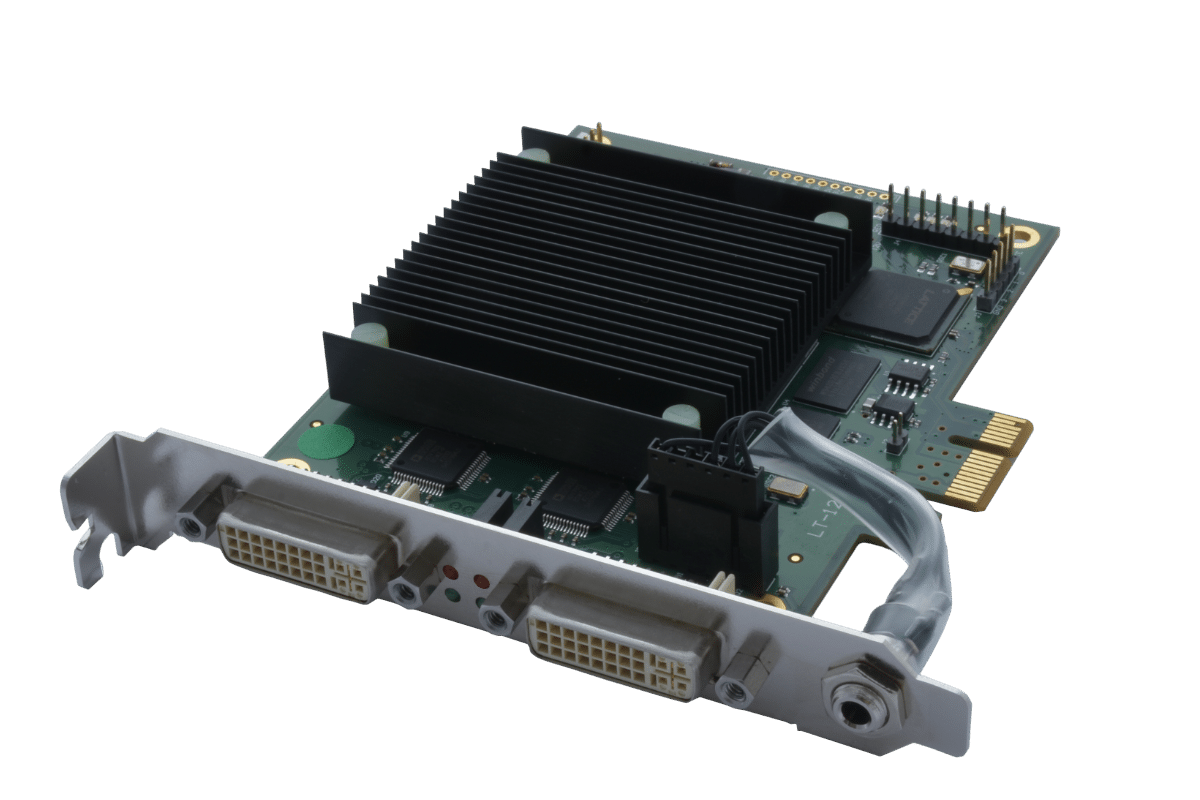
Dual-channel DVI-D capture and compression card for professional SD and HD workflows.
HD/4K Acquisition & Processing Platform
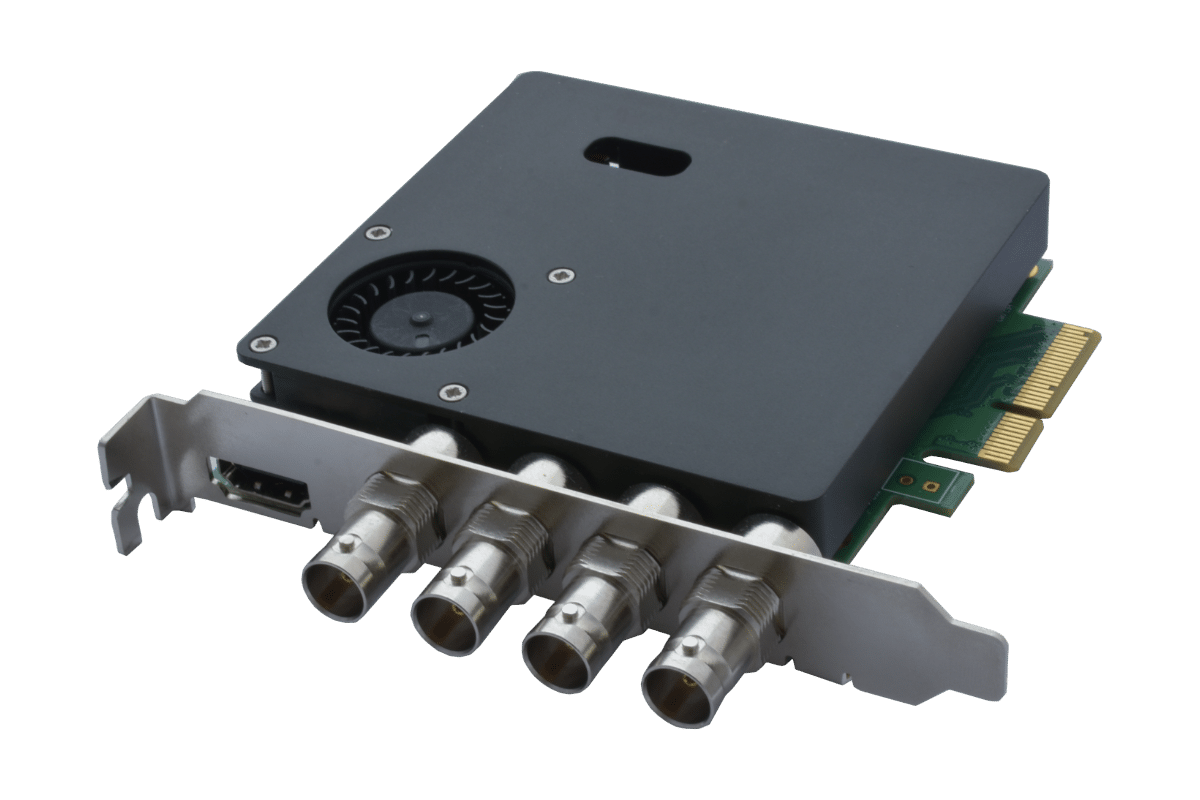
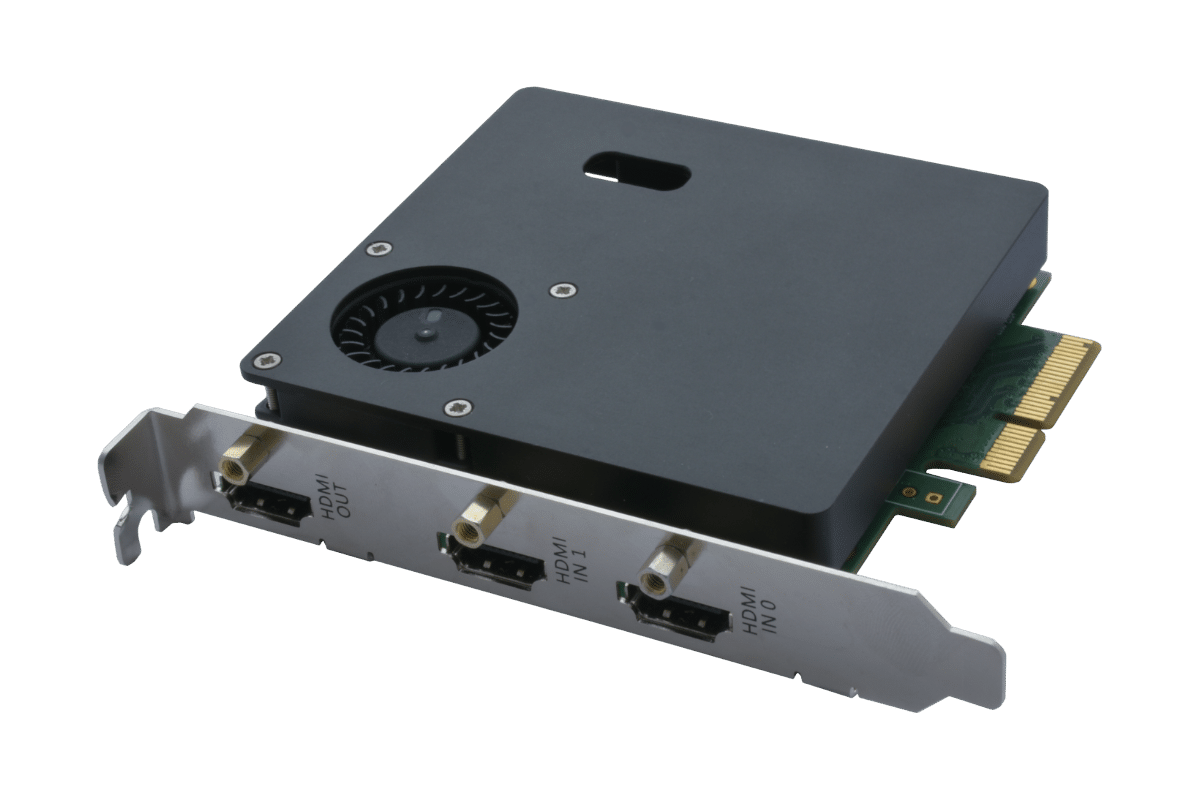
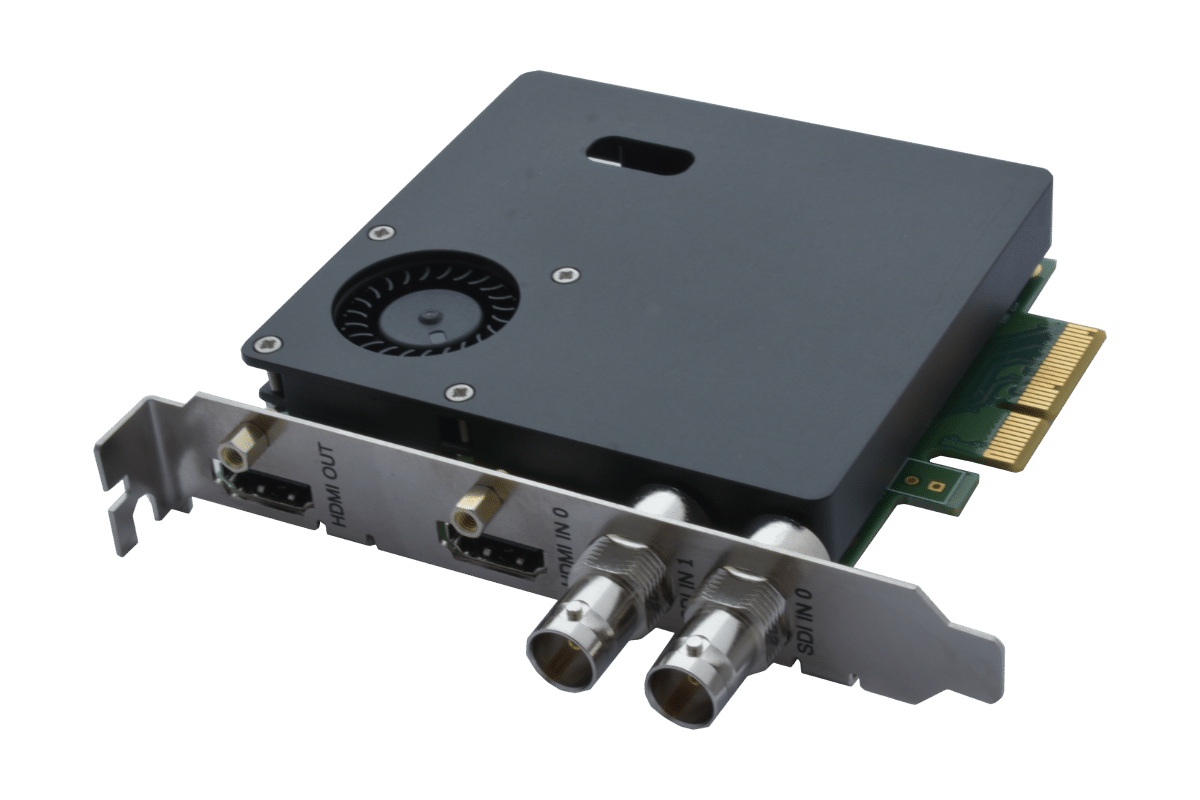
Multi-channel HD/4K acquisition and processing for demanding video applications.
Up to 4K60
HDMI & SDI
Multi-Source Acquisition
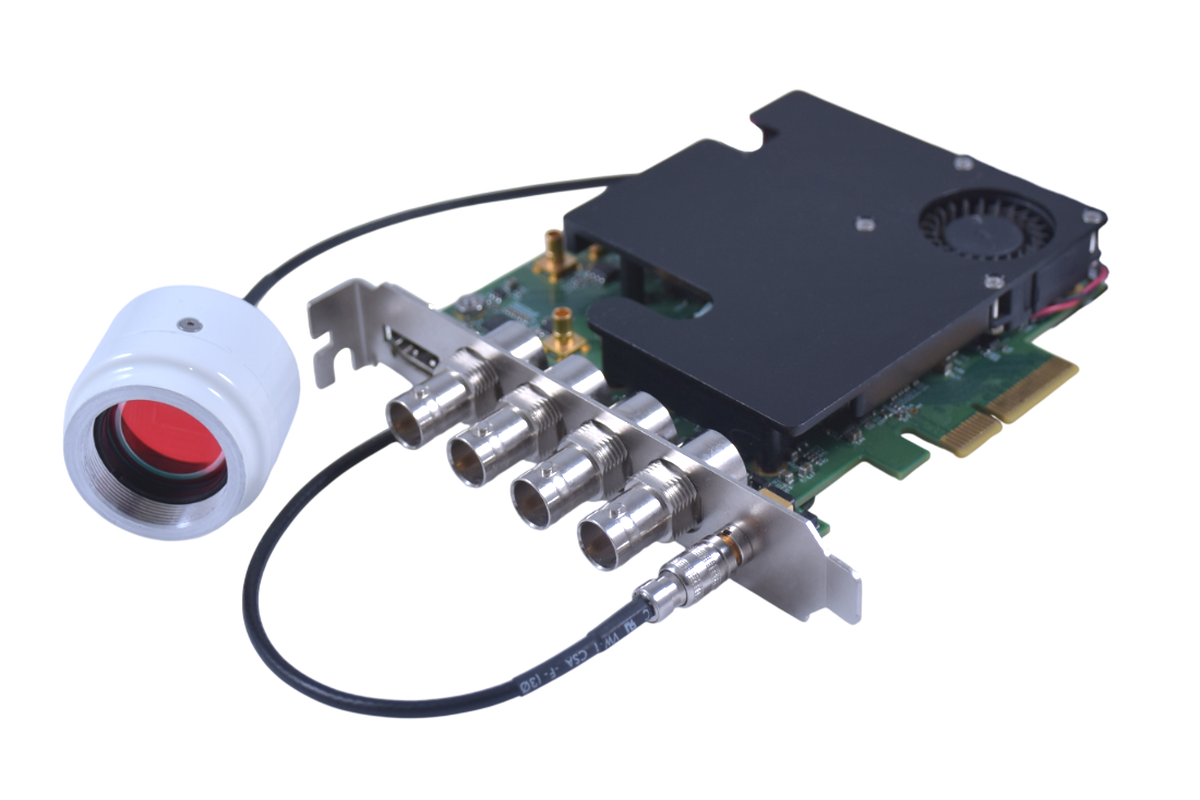
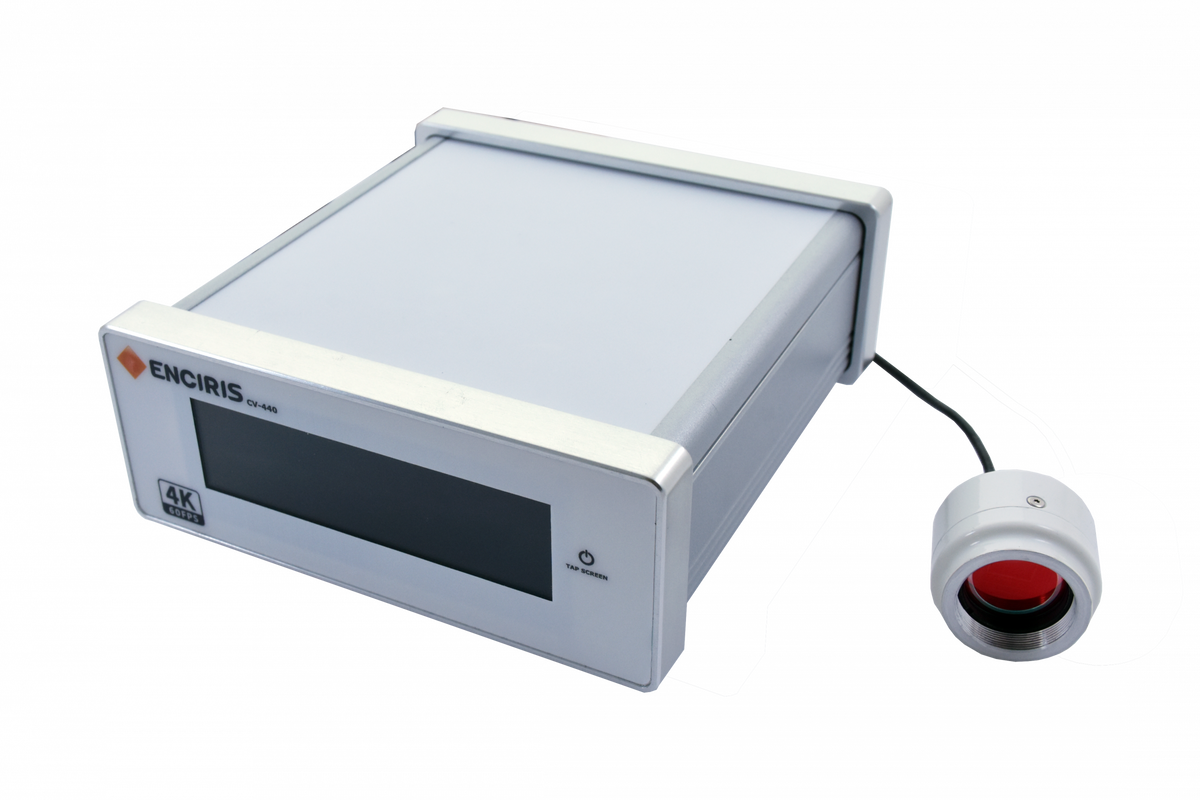
Modular camera platforms delivering high-quality 4K imaging with low-latency video output.
Professional 4K Imaging
Modular 4K camera platforms for professional imaging and vision applications.
Native 4K
Modular Design
Professional Outputs
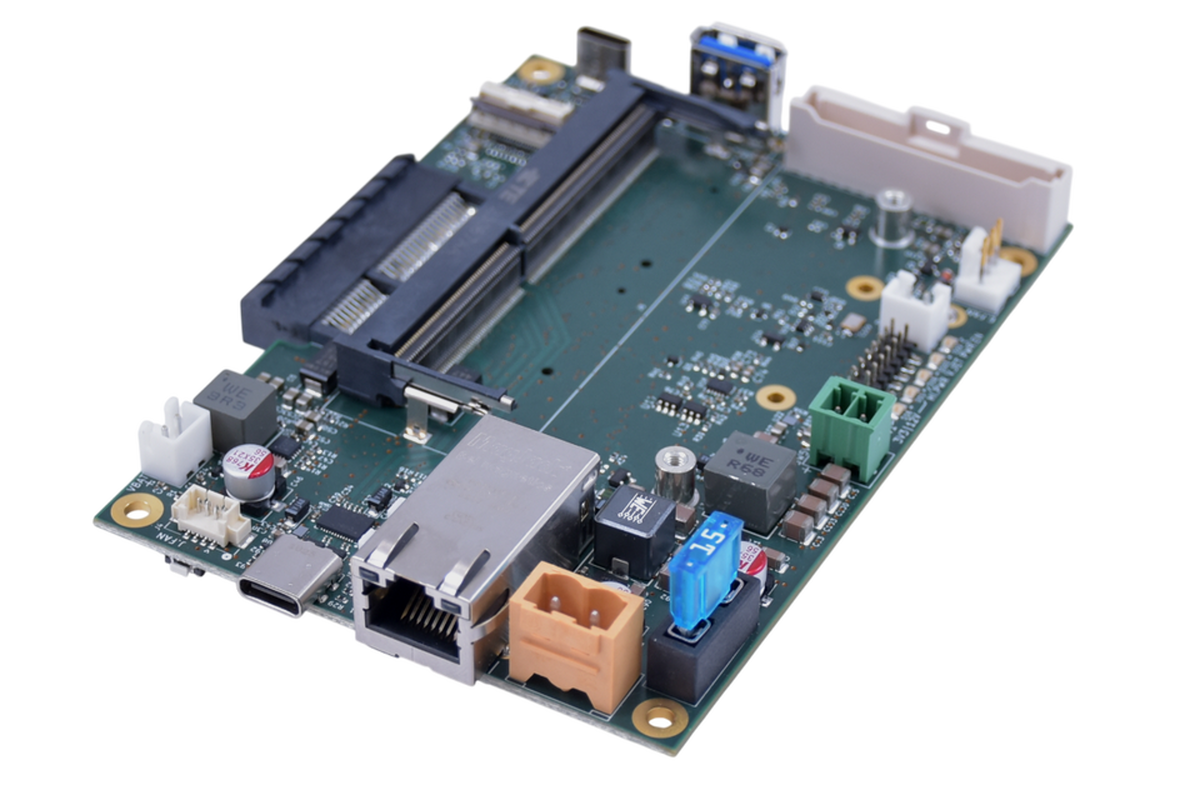
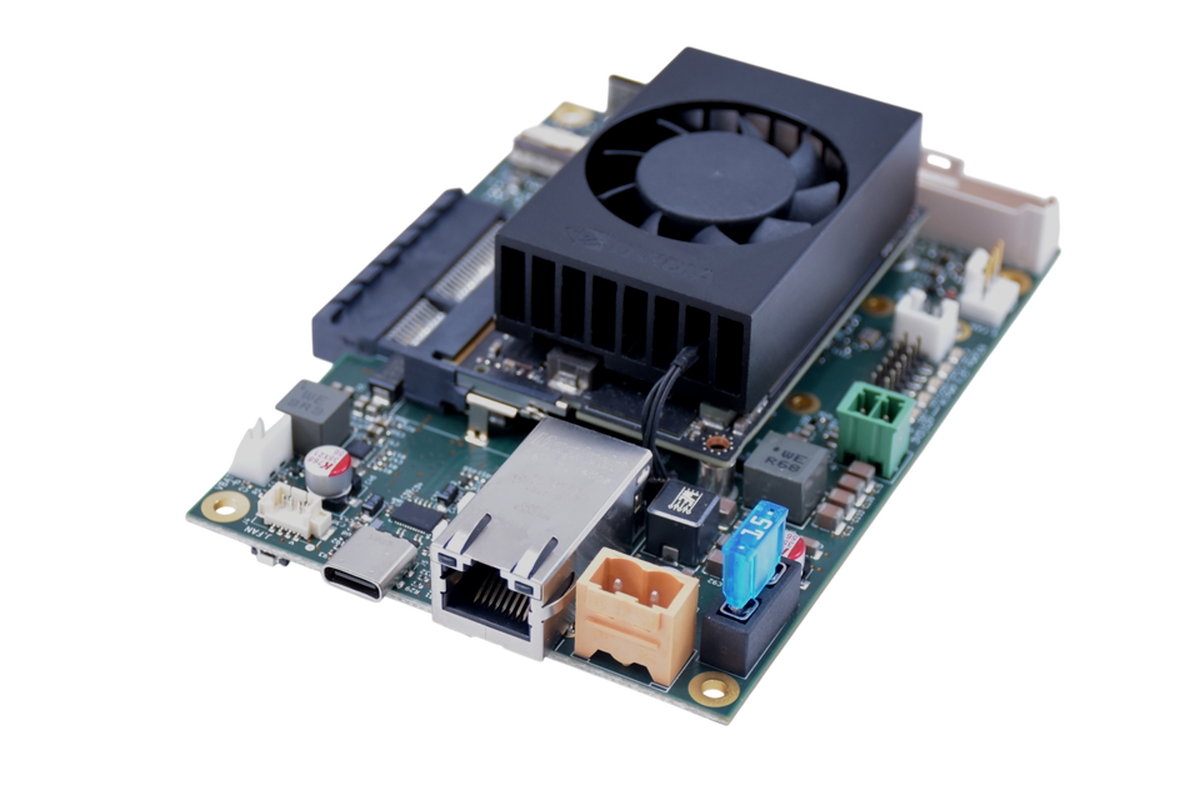
Embedded computing platforms for real-time video processing and AI inference at the edge.
NVIDIA Jetson Orin Edge AI Platform
Deploy AI-powered vision applications at the edge.
Jetson Orin
Up to 157 TOPS
Embedded AI
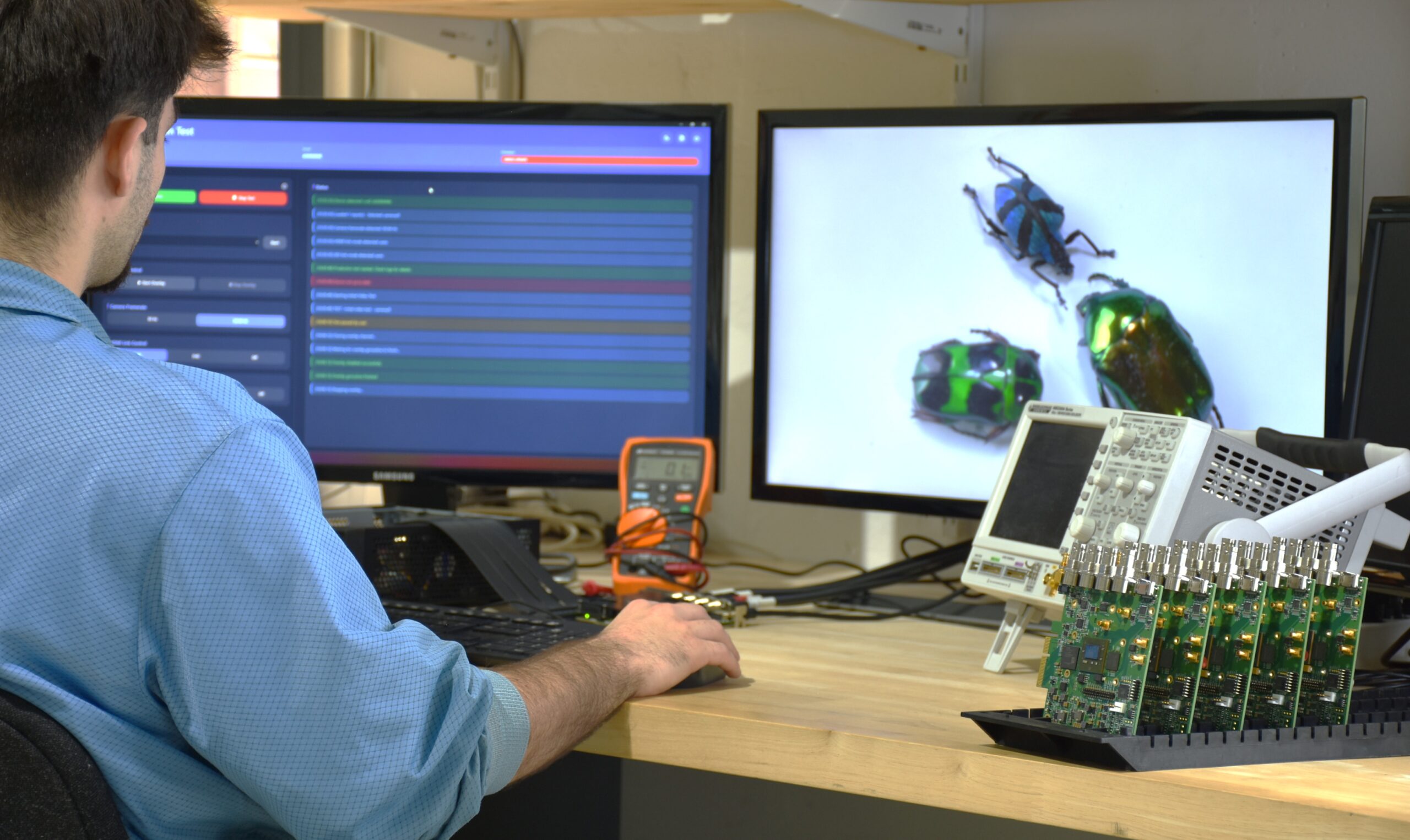
From custom hardware development to evaluation boards, our engineering team in France supports you from prototype to long-term production.
ISO 9001:2015 certified
Designed & assembled in France
10+ years product availability
A capture card is a hardware device that acquires video and audio signals from an external source — such as a surgical camera, industrial imager, or broadcast system — and transfers them to a computer for recording, streaming, or real-time processing.
In medical applications, capture cards are used to acquire video from endoscopes, surgical cameras, or imaging systems where signal fidelity and latency are critical. In industrial and aerospace environments, they are integrated into inspection, monitoring, and simulation systems that demand deterministic, high-quality video acquisition.
A video encoder converts raw video signals into a compressed digital format suitable for storage, transmission, or streaming. Offloading this task from the host CPU results in lower latency, reduced CPU load, and more predictable performance in real-time applications.
LT-100 series cards embed hardware H.264 encoding directly on the board — no GPU required. For the LT-300 series and CV-400 cameras, encoding is performed via the host GPU (NVIDIA, AMD, or Intel), giving you flexibility to choose the codec and encoder that fits your pipeline.
Ecurl is the common RESTful API and command-line interface (CLI) shared across all Enciris capture cards and cameras. It lets you start developing your application immediately — before writing any code — by sending simple commands from the Windows or Linux terminal.
For example, to start recording on an LT-300 card:
ecurl rec lt310:/0/sdi-in/0 -d
Full API documentation is available for the LT-300 series and camera products.
For the LT-300 series and CV-400 camera products, we support NVIDIA, AMD, and Intel GPU acceleration. You can select the hardware encoder via the API or directly on the command line:
ecurl rec lt310:/canvas/0 –d extra.hw=nvenc
(NVIDIA)
ecurl rec lt310:/canvas/0 –d extra.hw=amf
(AMD)
ecurl rec lt310:/canvas/0 –d extra.hw=qsv
(Intel)
For the CH-007 platform, GPU processing is handled by the NVIDIA Jetson Orin module’s integrated CUDA cores and hardware video engine (NVENC/NVDEC depending on the module).
For the CH-007 Edge AI platform, the system runs on Ubuntu 22.04 via NVIDIA JetPack, with automated environment setup and flash scripts provided out of the box.
Our RESTful API is language-agnostic — any language capable of sending HTTP requests and parsing JSON can interface with our products. We provide example code and helper libraries for Go, C++, C#, and Python.
EDID (Extended Display Identification Data) is metadata stored in a display or capture device that describes its supported resolutions, refresh rates, and audio capabilities. When a video source connects to a capture card, it reads the card’s EDID to automatically configure its output to a compatible format.
Incorrect or missing EDID can cause resolution mismatches, blank signals, or handshake failures. Enciris capture cards expose EDID configuration through the API, allowing integrators to set custom EDID profiles and ensure stable signal acquisition in complex or non-standard video chains.
The CH-007 is available in three configurations depending on your project stage:
CH-007 Board — the carrier board alone, for teams integrating their own Jetson Orin NX or Nano module. Includes setup and flash scripts, and full documentation.
Developer Kit — the CH-007 board paired with a Jetson Orin NX 8 GB module and a 1 TB M.2 NVMe SSD. Ready to flash and develop from day one.
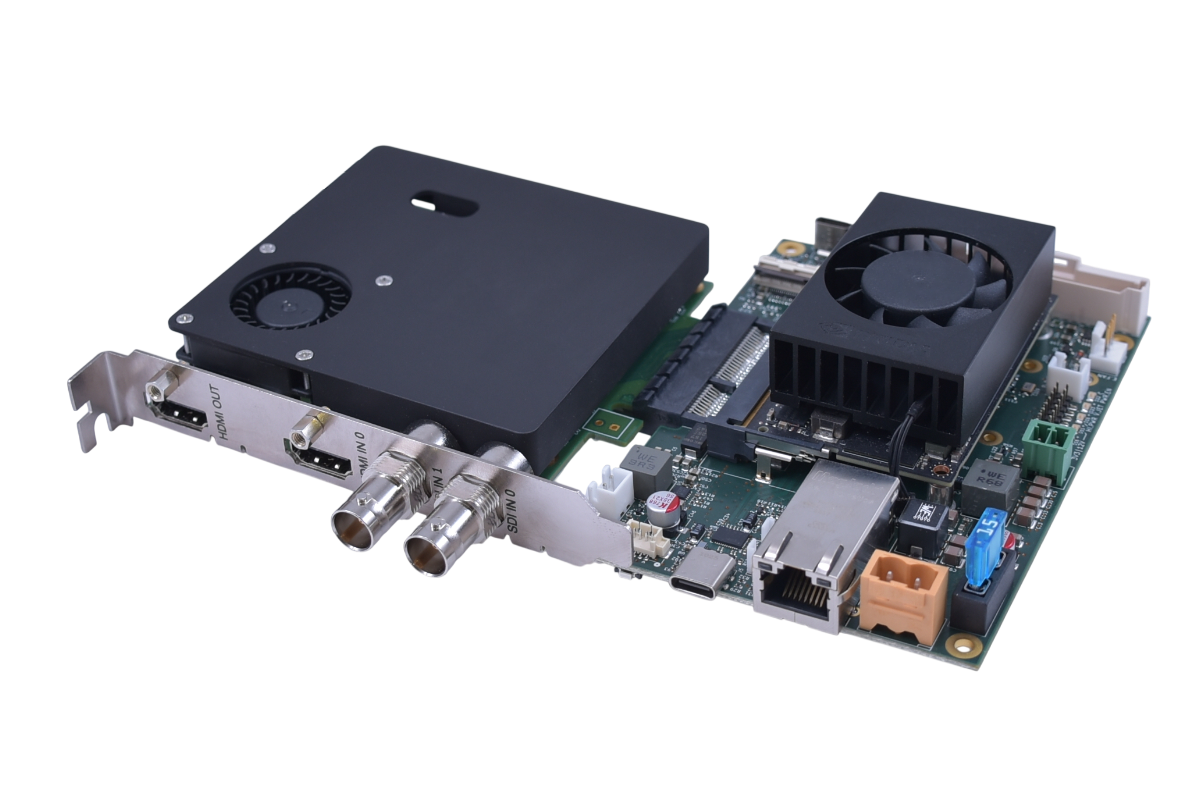
Video Development Kit — the complete Developer Kit bundled with an LT-313 4K PCIe capture card. The recommended starting point for building edge AI video pipelines.
All configurations include the same software toolkit (environment setup, flash scripts, customizable Ubuntu rootfs, pre-configuration file).
The CH-007 exposes a full-size PCIe Gen3 x4 slot with 12V power — a genuine expansion slot that accepts any compatible PCIe card. Enciris LT-300 and CV-400 products are tested and supported out of the box with dedicated drivers and API integration. Note that the LT-100 series is not compatible with the CH-007 platform. Third-party PCIe cards can also be installed, subject to driver availability for Ubuntu/JetPack.
The core AI frameworks — CUDA, cuDNN, and TensorRT — are bundled directly in the NVIDIA JetPack binaries and installed automatically when you flash the module. DeepStream, PyTorch, and TensorFlow are available separately via the standard JetPack SDK channels and can be installed with the environment setup script provided with the CH-007.
Use Case
Recommended Products
Acquiring SD/HD video with onboard encoding
Multi-channel HD/4K acquisition and recording
Compact 4K camera with real-time SDI/HDMI output
Edge AI inference + video acquisition in an embedded system
Not sure? Contact our team — we support custom configurations for specific requirements.
Enciris designs and manufactures professional video capture solutions for OEMs, system integrators, and embedded application developers. Our product portfolio covers SD/HD and 4K capture cards (PCIe and USB) supporting SDI, HDMI, DVI-I, and DisplayPort inputs, modular 4K camera systems with low-latency video output, and edge AI platforms for real-time vision and inference at the edge. From legacy video formats to ultra-low-latency 4K acquisition, our hardware is engineered and assembled in France for medical imaging, defense, broadcast, industrial automation, and scientific research. Backed by ISO 9001:2015 certified manufacturing and long-term product availability, Enciris supports your project from prototype to production.