
LT-300
HD/4K Capture Card Series
A programmable capture platform for real-time video applications
The LT-300 series is a family of multi-channel HD/4K video capture cards backed by an integrated software stack. Together they form a programmable platform supporting standards from 4K60 down to 720p over flexible SDI and HDMI inputs. Designed for low-latency operation, it handles raw acquisition, recording, real-time processing, compositing, and dynamic overlays.
An integrated HDMI loop-through output provides live display with overlays applied, making the platform suitable for medical, industrial, avionic, extended-temperature, and high-end broadcast applications.
SDI & HDMI inputs
Embedded audio
Up to 4K60
PCIe
Choose the right LT-300 for your inputs
Three variants share the same platform. Pick the one that matches your input mix.
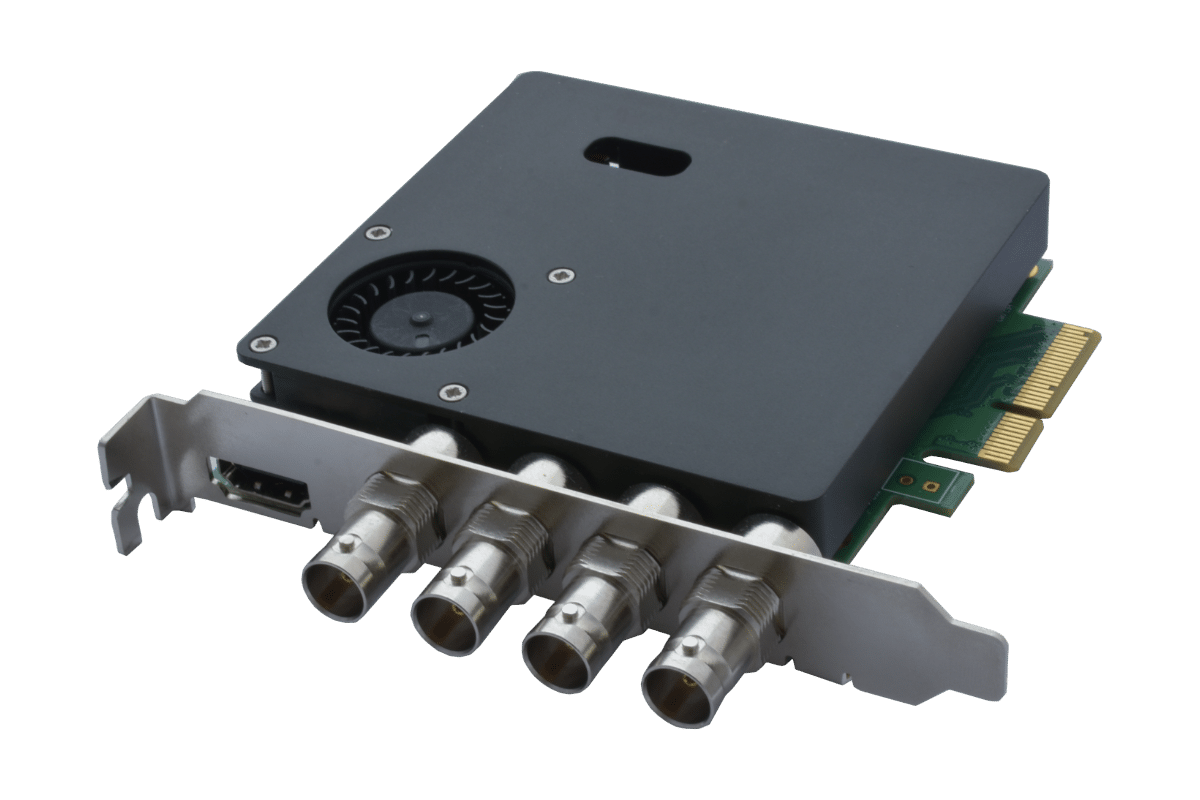
LT-311 HD/4K Capture Card
Four SDI inputs for high-performance video capture. Supports HD to 4K formats with embedded audio and HDMI loopthrough with real-time overlay.
Up to 4 simultaneous streams
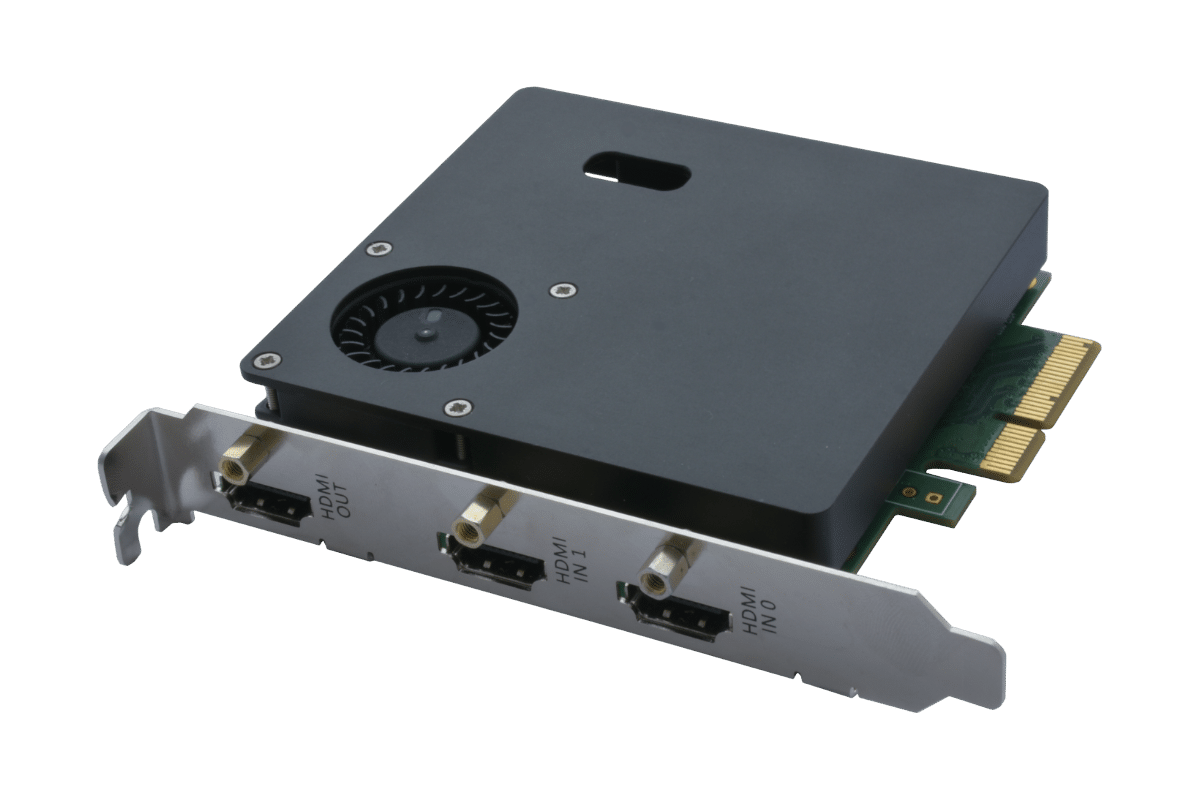
LT-312 HD/4K Capture Card
Dual HDMI inputs provide flexible 4K/HD capture, with embedded audio and real-time HDMI loopthrough.
Up to 2 simultaneous streams
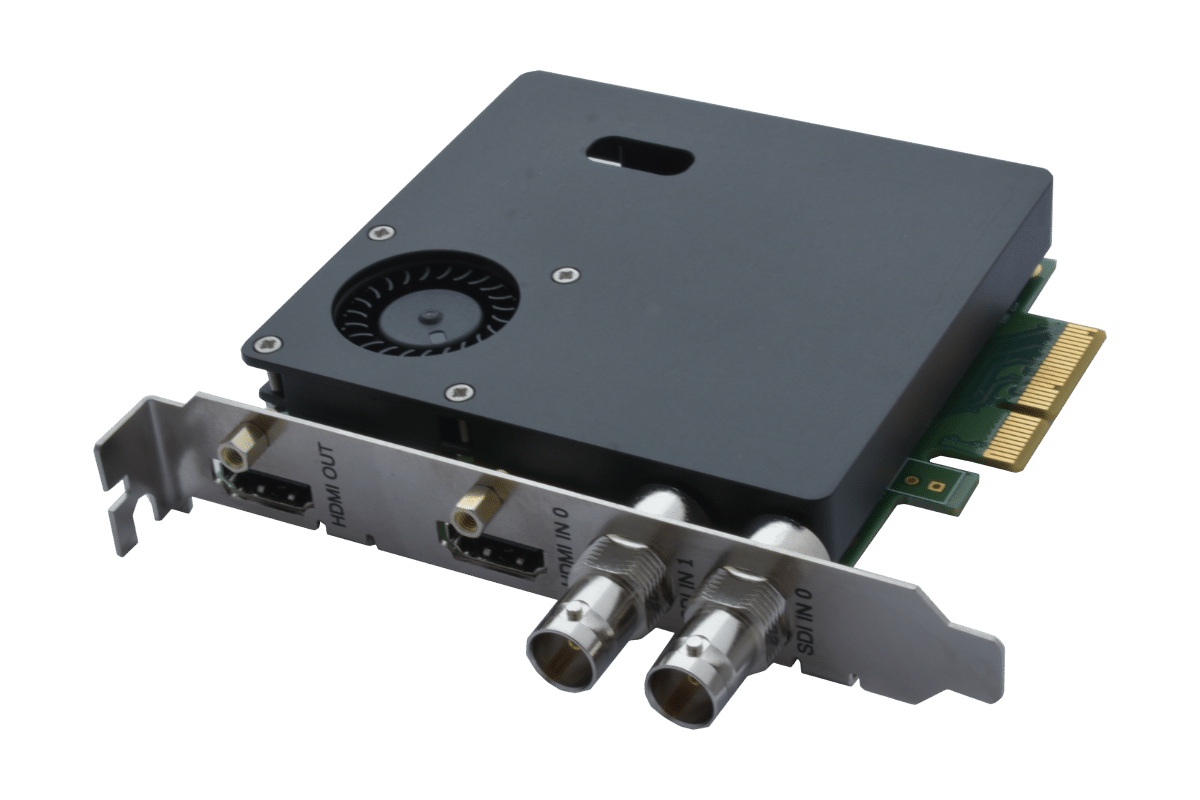
LT-313 HD/4K Capture Card
Hybrid 2 SDI + 1 HDMI inputs for versatile video capture. Supports HD to 4K formats with embedded audio, HDMI loopthrough, and real-time overlay.
Up to 3 simultaneous streams
Need a different configuration?
The LT-300 series covers most HD/4K capture needs, but if your application requires specific connectors, form factor, firmware features or software integration, we design custom solutions built on the same proven technology.
Integrated Software Platform
The LT-300 series is supported by an integrated software stack designed to simplify integration while offering advanced video and audio processing capabilities. From low-level access to raw video and audio streams to high-level features such as compositing, recording, and dynamic overlays, the Enciris software environment provides the flexibility required to build a wide range of professional capture and processing workflows.
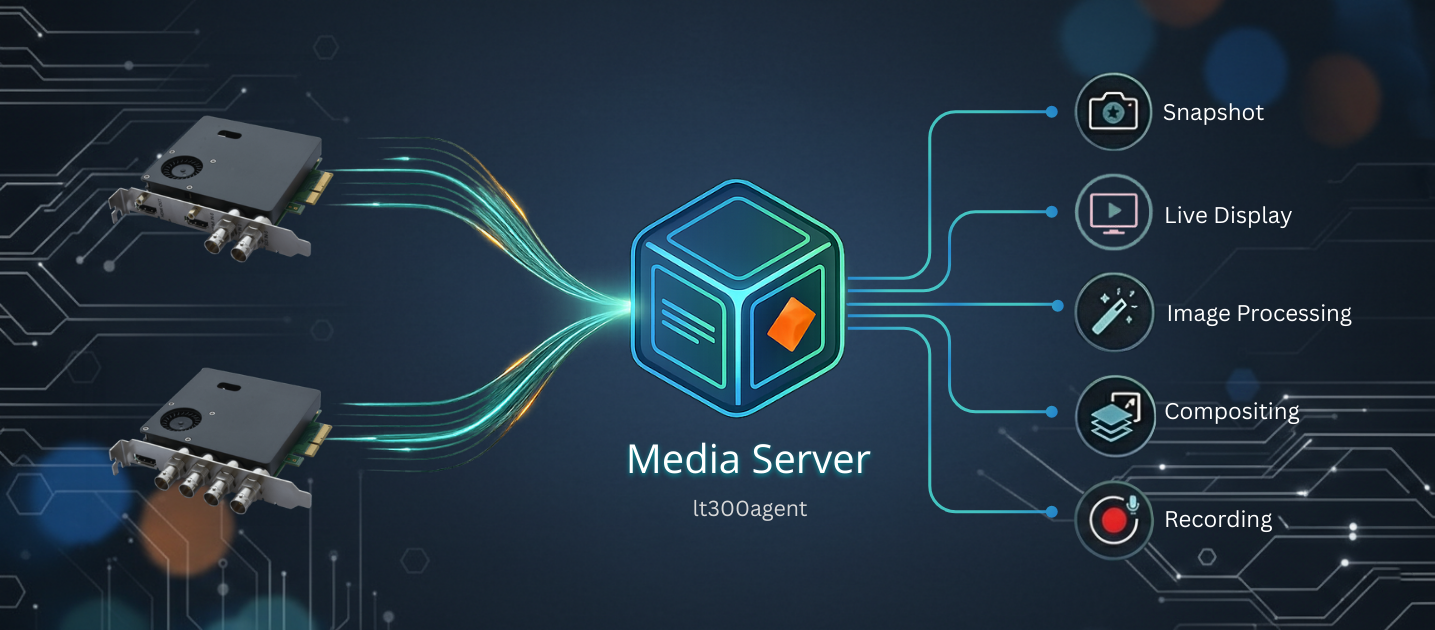
Media Server
The LT-300 cards are managed through a dedicated Media Server, a central software component that handles all video and audio streams, along with their associated metadata. It provides access to raw frames in the desired format, as well as capture and recording capabilities.
By abstracting the complexity of the hardware, the Media Server exposes a unified interface to control acquisition, processing, and output. Users can integrate the video streams into their own applications, while the server takes care of stream management, synchronization, and recording.
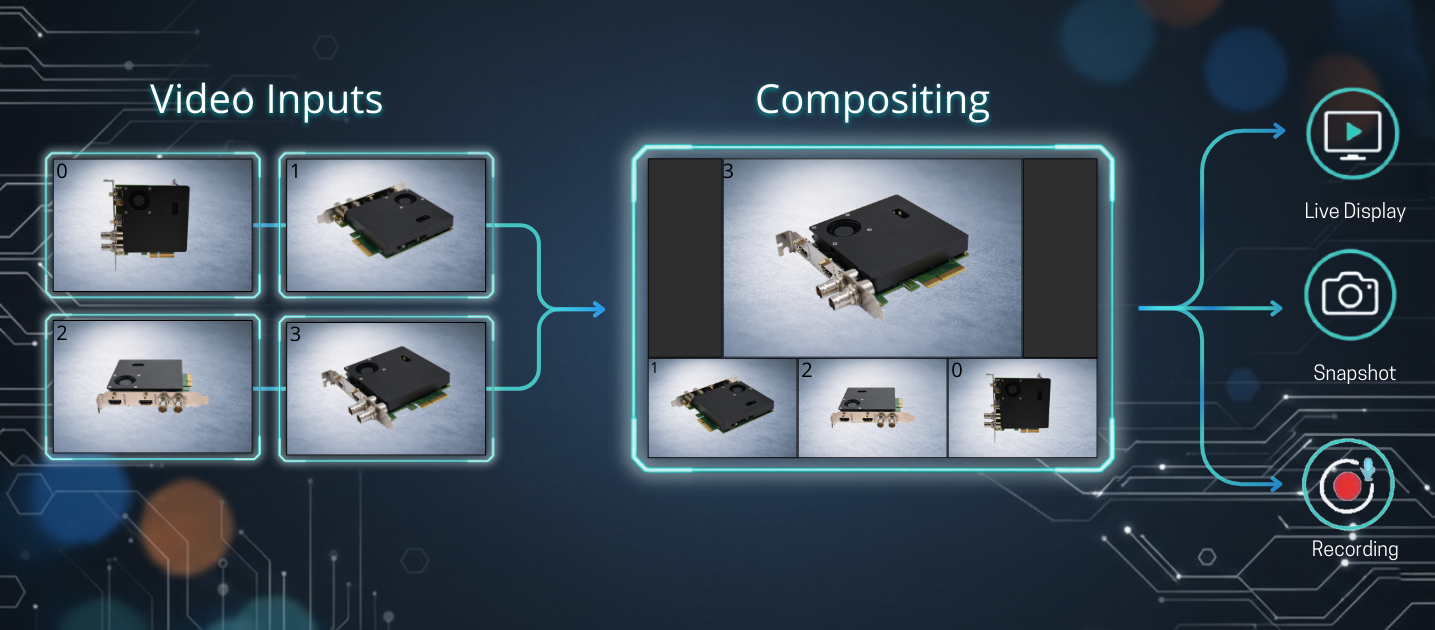
Compositing
The Media Server can combine multiple incoming video streams into a single composited output, enabling multi-source views without additional hardware. This composited output can be used for live display, recording, or snapshot capture, providing a flexible foundation for a wide range of professional use cases.
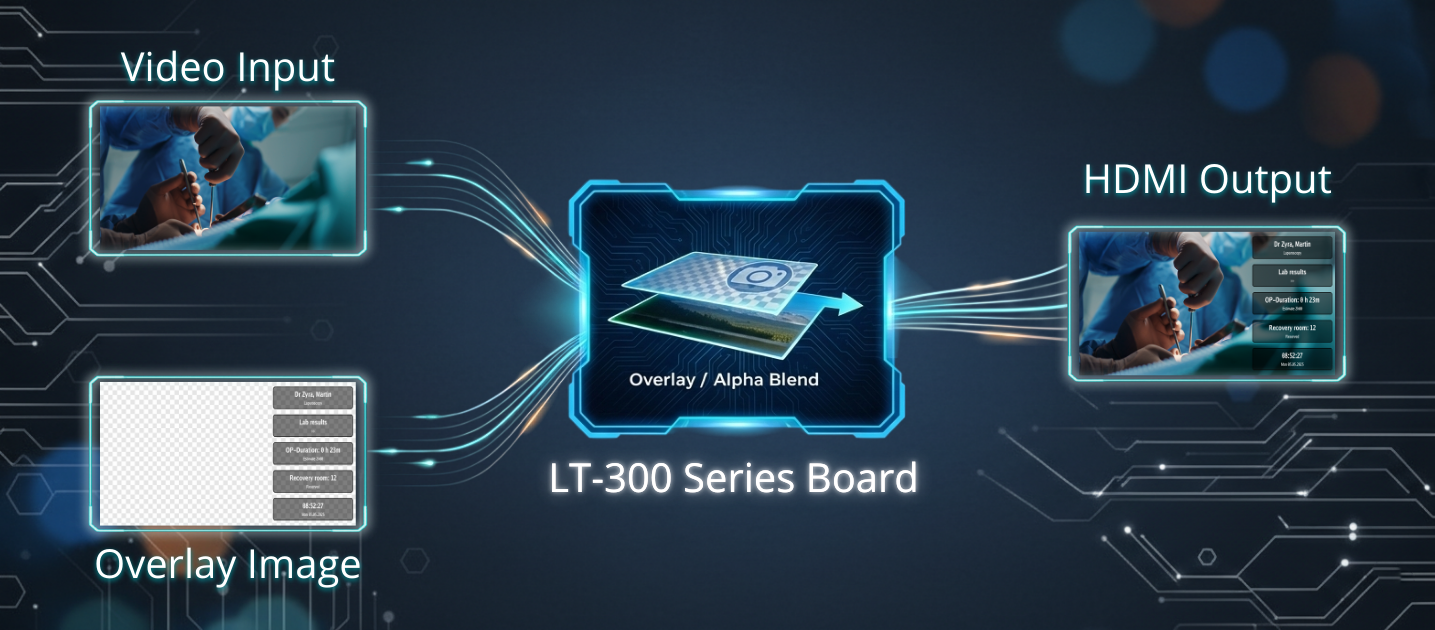
HDMI Overlay
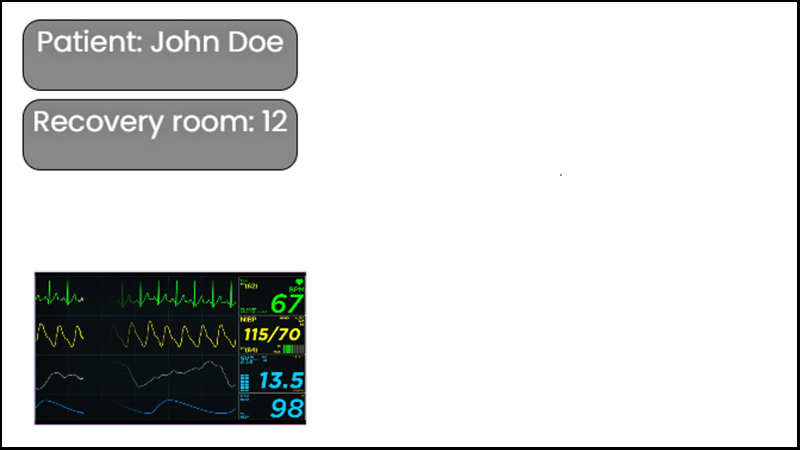
The platform includes built-in overlay capabilities that allow text, shapes, and images to be added directly onto video streams. With transparency control and dynamic updates, custom graphics or predefined templates can be integrated in real time.
Overlays are applied on the HDMI output, providing immediate visual feedback. Overlay content can be updated dynamically to display live labeling, status information, or on-screen cues in real time.
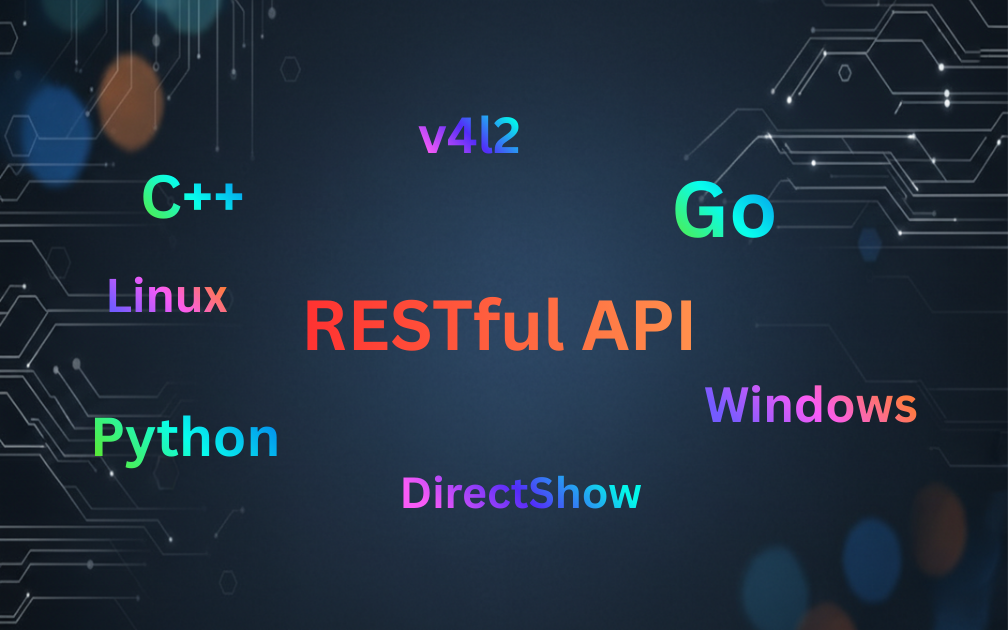
APIs & Frameworks
Enciris provides a RESTful API to control the Media Server and access all LT-300 features. To simplify integration, client libraries are available in C++, Go, and Python, allowing applications to interact with the server without dealing with low-level communication details.
Standard multimedia frameworks are also supported through DirectShow on Windows and V4L2 on Linux, making LT-300 cards easy to integrate into existing video pipelines and third-party applications.
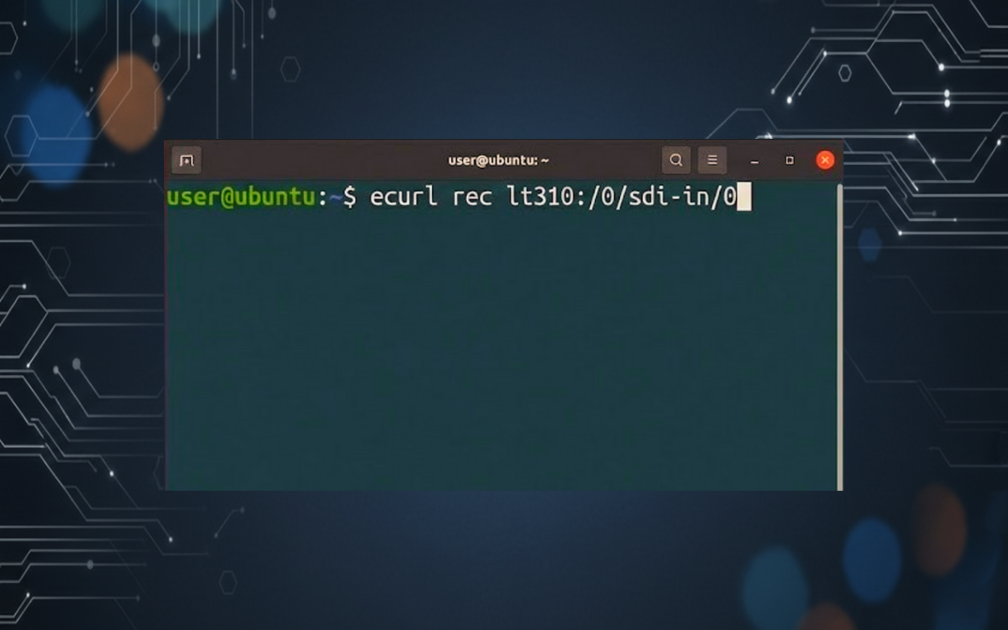
Command-Line Interface - Ecurl
Ecurl is a command‑line tool built on top of the RESTful API. It allows users to control the Media Server directly from a terminal using simple URLs and commands, making it suitable for scripting, automation, and testing in both development and deployment environments.
Demonstration Application - Ecap
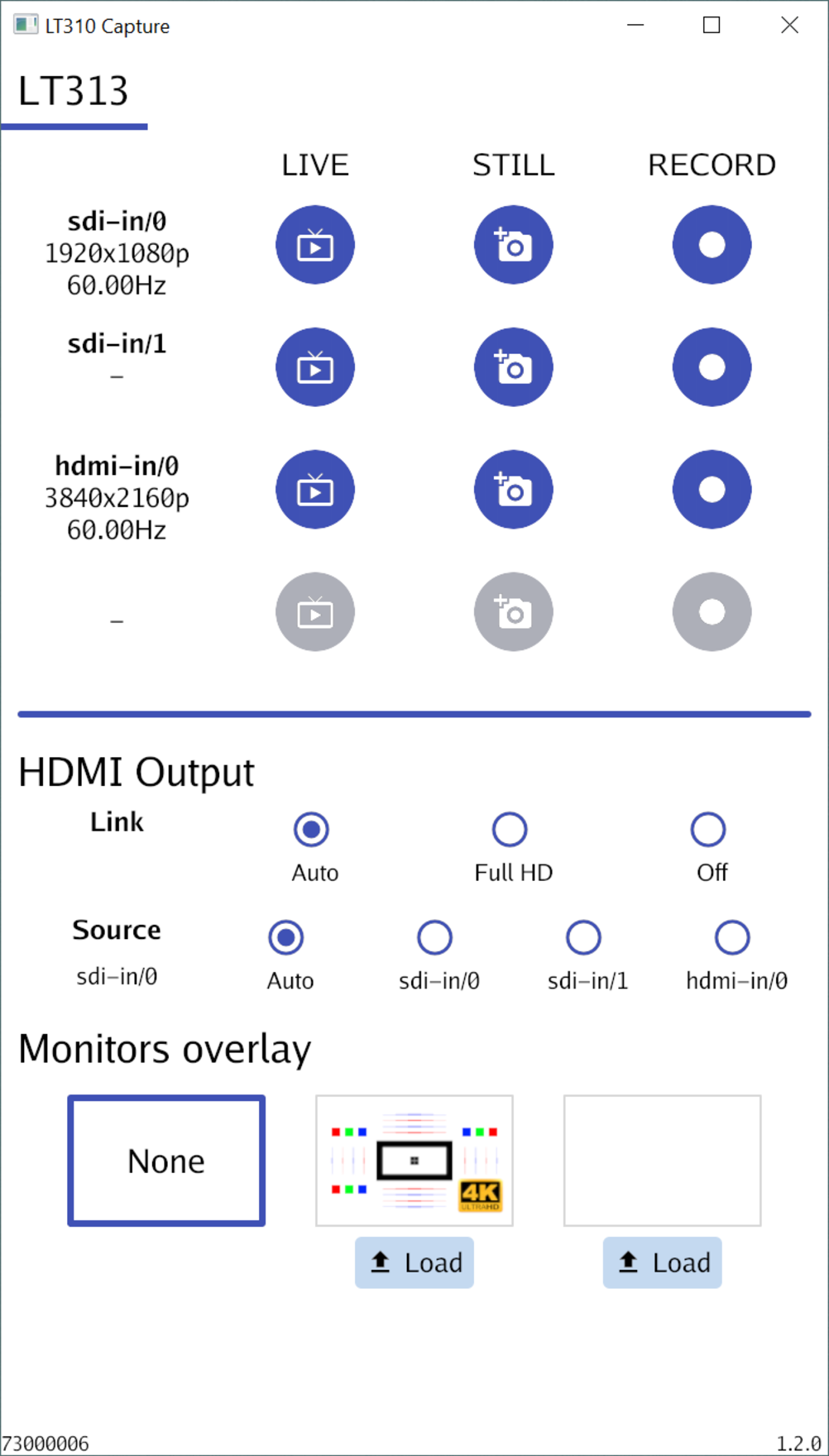
Ecap is an interactive demonstration application built using the Enciris Go API. It provides a graphical interface to explore LT‑300 capture features.
It allows users to evaluate video and audio acquisition, configure capture parameters, perform recording and snapshot operations, and validate system behavior without writing any code.



Demonstration Application - Ecap
Ecap is an interactive demonstration application built using the Enciris Go API. It provides a graphical interface to explore LT‑300 capture features.
It allows users to evaluate video and audio acquisition, configure capture parameters, perform recording and snapshot operations, and validate system behavior without writing any code.
Capture & recording capabilities
LT-300 boards handle the full pipeline from hardware capture to file recording. Input streams are captured and scaled by the board itself, then processed by the Media Server for encoding, compositing, and file output.
Capture output per stream
1 stream
4K60
2 streams
2x 4K30
3 streams
1x 4K30 + 2x 1080p60
4 streams
4x 1080p60
HDMI loopthrough output is not affected by this scaling, it always outputs at the input’s native resolution.
Recording formats & codecs
Video containers
MP4, raw H.264, NV12/YUYV
Video codecs
H.264, HEVC
Audio formats
AAC, MP3, PCM, WAV
Hardware encoders
NVIDIA NVENC, Intel QSV, AMD AMF
Concurrent recordings
Multiple files per input
File splitting
By size or duration
One captured stream, multiple parallel outputs: file recording, network streaming, and application-level processing all share the same buffers with zero-copy transfer.
Beyond default stream configurations, we can tailor the Media Server, APIs, codecs and integrations to your specific workflow.
Frequently asked questions
How many streams can each LT-300 card capture, and at what resolution?
The maximum number of simultaneous streams matches the number of physical inputs: 4 on the LT-311, 2 on the LT-312, and 3 on the LT-313. The Media Server scales resolution with the number of active streams: one stream at 4K60, two at 4K30 each, three as one 4K30 plus two 1080p60, or four at 1080p60 each. HDMI loopthrough output always stays at the input’s native resolution, unaffected by this scaling.
What recording formats and codecs does the LT-300 support?
The LT-300 records to MP4 containers with H.264 or HEVC video codecs, and AAC, MP3, PCM, or WAV audio. Hardware-accelerated encoding is available through NVIDIA NVENC, Intel Quick Sync Video, and AMD AMF. Multiple recordings can run in parallel on the same input, and files can be split automatically by size or duration for long-duration archival.
Can I record and play the same LT-300 capture at the same time?
Yes. A single captured stream can be recorded to file and simultaneously played back through the LT-300 API, using the recording and player examples provided in the SDK. Both outputs share the same memory buffers with zero-copy transfer, so playback and recording run in parallel with minimal CPU load.
What is the latency of the LT-300 in HDMI loopthrough mode?
The LT-300 HDMI loopthrough lets you select which input to route to the output, with a latency of about 16 video lines (overlay included). It runs independently of the capture pipeline, so it is not affected by the resolution scaling applied to recorded or streamed channels.
What is the difference between the LT-100 and LT-300 series?
The LT-100 series covers single- and dual-channel SD to Full HD capture, over PCIe or USB, with SDI, DVI-I, Composite and S-Video inputs. Its onboard H.264 hardware compression runs independently of the host, keeping CPU load minimal — well suited for constrained embedded systems on Windows via a C API or DirectShow. The LT-300 series is a multi-channel HD/4K platform, supporting up to four simultaneous streams up to 4K60, HDMI loopthrough with real-time overlay, and GPU-based compression that works with any NVIDIA, AMD or Intel GPU and is not limited to H.264 — driven by the Media Server through a cross-platform REST API.
Does the LT-313 support mixed SDI/HDMI input simultaneously?
Yes. The LT-313 is a hybrid capture card with 2 SDI inputs and 1 HDMI input, all usable concurrently. Up to three streams can be captured in parallel, with resolution allocated by the Media Server according to the total number of active channels.
Beyond the LT-300
Other Enciris families that pair with or extend LT-300 capture.
VIDEO CAPTURE
LT-100 Series
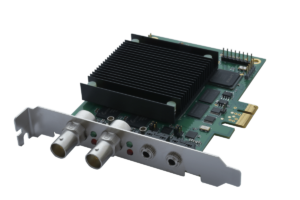
Single and dual channel SD/HD capture with onboard H.264 compression. Host independent, low CPU load, on PCIe or USB.
Explore →
4K CAMERAS
CV-400 Series
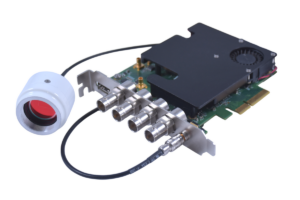
Modular 4K camera heads. A native input source for LT-300 capture and processing.
Explore →
EDGE AI
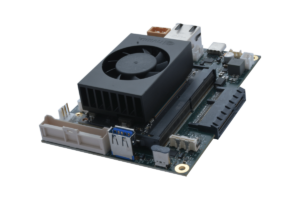
CH-007 AI Platform
Pairs with LT-300 output for on device inference and real time video processing.
Explore →